
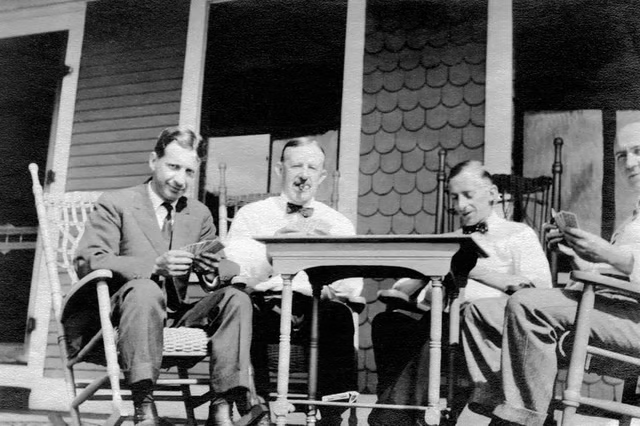


Playing cards have been around for centuries, and examples of antique playing cards are found in museums and antique shops around the world. Antique cards are loosely defined as being more than 50 years old, though their precise value is decided according to factors like desirability, condition, completeness and scarcity. If you think you have come across a set of antique cards, there are a number of factors to consider when identifying them and approximating their value.
Purchase a playing card encyclopedia. According to djmcadam.com, a website that specializes in helping readers appraise antique cards and other collectibles, there aren’t many resources to help collectors and dealers date playing cards, though there are some excellent ones. For American cards, consult the Hochman Encyclopedia of American Playing Cards, edited by Tom and Judy Dawson. The guide can be purchased from most major book dealers or perhaps borrowed from your local public library.
Read a history of playing cards. A good choice is Catherine Perry Hargrave’s "A History of Playing Cards: And a Bibliography of Card and Gaming." The information is a bit outdated, but it is cheap and includes very useful information for identifying old cards.
Consult the Internet, particularly auction sites like eBay. Seeing what other people are paying for antique playing cards is a good way to identify and estimate the value of your cards. This desirability level is crucial in assessing the cards’ value.
Assess the cards’ physical condition. As with most antiques and collectibles, the value of your playing cards is largely dependent on their physical condition. Examine the cards for completeness and other factors. Is the deck missing a card? Is the box present and intact? Are the cards bent, stained, ripped, etc.? These are all good questions to ask when identifying a deck's condition.
Consult the detailed descriptions available on the Dawson on Playing Cards website (see Resources), which detail card conditions ranging from “as issued” to “poor” and everything in between.
Things You'll Need:
Things You Will Need
Warnings:
- Be sure to store and handle antique cards carefully, as they can be very delicate.