

You can avoid paying for expensive graffiti markers by making your own at home. Graffiti markers can be made using recycled empty glue stick containers or empty shoe polish bottles. Making a single graffiti marker takes only a few minutes. The art of graffiti in public places is popular all over the world, however new and more severe graffiti laws are being adopted in many countries. For instance, fines in New Zealand are as high as $25,600 with two years' imprisonment. Enjoy making your own graffiti markers and using them where the law allows.
Things You'll Need:
Things You Will Need
Preparing the Container
Open a large glue stick tube and remove all of the glue if it is a new glue stick. If it is a recycled glue stick, clean out any remaining glue using a knife, flat head screwdriver or any long narrow metal object.
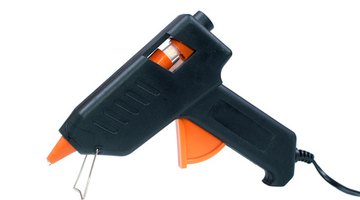
Put a small amount of glue in the bottom of the glue stick tube to seal any holes in the bottom of the container. Only a small amount is needed.
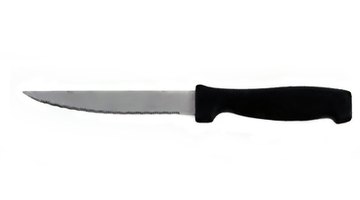
Use the knife or other metal object to spread the glue evenly on the bottom. Set the container aside to let the glue dry.
Filling the Container
Lay down newspaper or plastic to cover the work surface. Put plastic gloves on if desired.
Pour the paint thinner into the glue stick container until it is about one third full.
Fill the remaining space in the container with the ink, leaving space at the top to insert the felt tip.
Use scissors to cut a strip of blackboard felt. Roll the felt very tightly so it will fit into the opening at the top of the glue stick container. It should fit snugly and be set deep enough to soak up the ink and paint thinner mixture.
Hold the marker tip under running water to help get the marker working. The ink in the container will work its way into the tip and be ready to use. Secure the cap to the top to keep it from drying out when not in use.
Warnings:
- Using graffiti markers on property you do not own is against the law in many places in the world. Be sure to use your markers at home or where given permission to use them. Ink can stain surfaces. Cover working space in case of spills or drips.