


Artists use metal in a variety of ways. Sculptors may work exclusively with metal or integrate it with other materials in mixed media compositions. At the same time, jewelry making is a popular form of sculpture, uniting art and craft and almost always employing at least some metal elements. To flatten pieces of metal, artists have several techniques and tools to choose from.
Hammers and Anvils
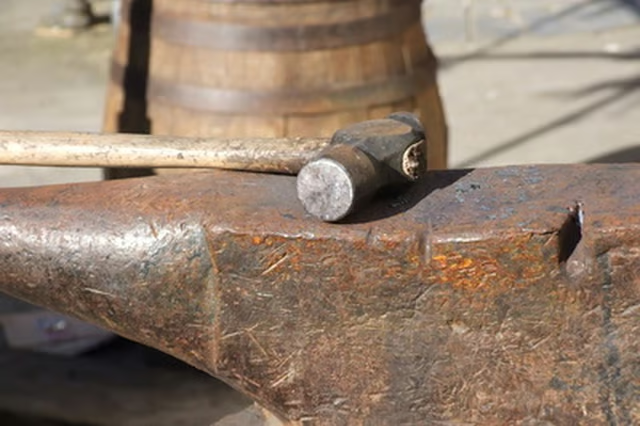
A hammer and anvil are among the oldest tools for flattening or forming metal, and they remain an option for artists working today. Anvils and hammers are typically made of iron, and can flatten any softer metal when the artist applies enough pressure. One advantage to working with a hammer and anvil is the degree of control, since the artist can see the progress after every swing of the hammer. Hammering works best on softer metals, but even harder materials will flatten eventually. A hammer and anvil can make small tasks such as flattening a piece of wire quick and easy.
Presses
Metal presses use heavy metal rollers to flatten a piece of metal. Some presses use a hand crank and rely on the artist's muscle power, while others use a powerful electric motor. The metal fed into the press must be relatively thin, but repeated pressings can result in a very thin piece of metal. Pressing is the process used to turn thin strips of gold into delicate gold leaf, which is used to gild the edges of books or decorate other metal and wooden elements.
Heat Tools
Artists may choose to flatten metal using tools that rely on heat to soften or even melt the metal. Using a forge, which is a sort of oven that reaches very high temperatures, an artist can melt metal and recast it in a mold to produce thin strips or decorative panels. Another type of heat tool is a torch, which burns gas and produces a high-intensity flame that can soften metal, making it easier to flatten with a hammer and anvil or to stretch with grips or pliers until it reaches the desired thinness.