
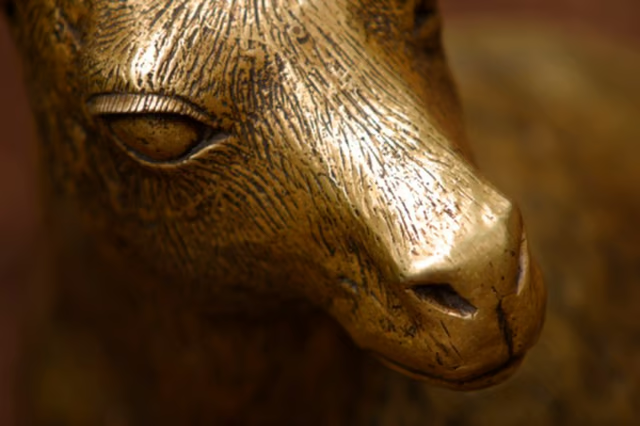


Bronze is a costly material and bronze sculptures are difficult to craft, due to the the skills and technique -- bronze casting -- required. Plaster sculptures are easier to create and may be made to look like bronze sculptures by applying suitable paints. With aging, bronze sculptures acquire a patina, so applying a patina may also help make your plaster sculpture look more like a bronze one.
Things You'll Need:
Things You Will Need
Clean the surface of the plaster sculpture and remove any dirt or dust that may have accumulated. Use a damp cloth and allow the sculpture to dry before you start painting. Remove any stubborn dirt deposits with fine-grit sandpaper. The area needs to be clean and smooth when you paint the sculpture.
Apply bronze acrylic color on the entire surface of the sculpture. Plaster absorbs color, so you need to apply several coats of acrylic color to ensure that the sculpture is evenly covered with paint. Allow each coat of color to dry before applying the next coat.
Apply black tempera paint to the sculpture. This will not be the actual color of the finished piece, but helps you create a patina. Bronze sculptures take on a patina over time and many artists add patina to begin with. A patina often adds value to a bronze piece.
Wait for the black to dry partially. Scrub off the black using a soft sponge moistened in water. Wipe off more or less of the black coat of tempera, depending on the desired effect.
Varnish the sculpture to make it look shiny. The varnish preserves the bronze-like appearance of the piece and protects the color. Apply two or several coats of varnish until you obtain the desired shine.
Warnings:
- Wipe off the black/green you use to obtain the patina before it dries completely; otherwise, it may be difficult to remove.